
If you receive a bills vs invoices bill in a restaurant, it isn’t necessarily a formal document. It may just state your table number, meals and beverages, VAT and the total. The formality that comes with an invoice does not need to be applied here. An invoice is a document sent before payment, while a bill is sent after payment. So, whether you’re a small business owner or a big-shot CEO, understanding the ins and outs of billing is essential for keeping your business running smoothly. PandaDoc is not a law firm, or a substitute for an attorney or law firm.
Top 8 benefits of using an Invoicing App on the Go:
- Invoices track what you’re owed, while bills are for immediate payments.
- This document serves as a formal request for payment and a record of the transaction.
- Invoices are typically sent before payment is due as a formal request for payment.
- That’s because you first need to figure out where to look for key information, like the PO number.
- Use the following guide to learn how to keep track of invoices and payments with precision and ease.
- Sometimes, when people talk about invoices and bills, they’re not simply describing the same document with different words, they’re actually referring to different documents.
It specifies the sold services or products as well as the amount to be paid. Invoices are provided before a customer makes a payment and function as a request for payment. They are used to keep track of sold objects, pricing, taxes, and other transaction-related information. In most cases, invoices are sent after the service or goods have been provided but payment has not yet been received.
Time-consuming processes
On the other hand, the sellers can issue invoices to their customers who have credit accounts, enabling them to get the goods or services beforehand and pay later. Sellers can even split the total amount into several invoices and get paid in installments. A statement itemizes invoices that have not been paid by the buyer or client, whereas a bill represents a single payment that is due.
How Can Invoicing Software Ease Your Work?
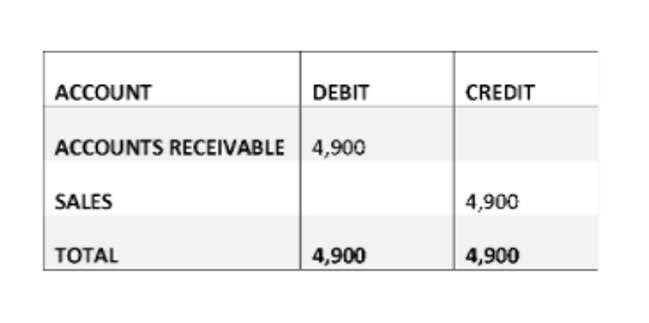
One main reason organizations use invoices is that they serve as a formal record of a transaction between a buyer and a seller. Invoices are essential documents that keep the gears of business turning. An invoice is a bill a seller sends to a buyer for goods or services rendered. It’s a transaction record that outlines the items sold, their quantity, and their price, as well as any applicable taxes, discounts, or fees. Rather than registering the sale as income, the invoices are marked for further processing and treated as accounts receivable. Only when the full payment is received for the goods or services provided, will the sale be considered complete and recorded as income in the books.
Invoice vs. Bill: Main Differences
Therefore, the idea is to choose the process that best fits your preferred balance between security and agility. For instance, in finding a discrepancy between the purchase order and the invoice, the next step should be contact the person who ordered the goods in the first place. As you can see, the information you’ll find on a bill is similar to what you’d find on an invoice, although you usually won’t find customer information on a bill. Often, you’ll hear the terms “invoice” and “bill” used interchangeably, and you won’t think twice.
- Invoices provide a more comprehensive overview than bills, typically formatted as A4 documents, providing enough room for heavy details.
- Having a regular schedule could be the difference between getting paid and not getting paid.
- It’s a great way to get organized with costs, payments, bills, and invoices.
- It will offer automated reminders for payment, advanced integrations with your existing accounting software, and cloud-based functionality so you can monitor your business from anywhere in the world.
- Sometimes, they are simply different ways of describing the same thing.
Invoicing on the go!
Being proactive before payment is due will help ensure your client is aware of upcoming due dates. Sending friendly, professional reminders up until the due date will help clients remember that the deadline is drawing near or has arrived. Simply click on the ‘Sent Payments’ tab and you will see the date the payment was processed, the payment method, the payment amount, and other details of the payment. This is a very user-friendly program that is easy to use and understand. I would definitely recommend this program to family, friends, and co-workers.
The Difference Between Bills, Receipts, and Invoices?
If an email or text goes unanswered, a quick phone call is a good way to check in, confirm they received the invoice, and see if they have any questions. If you don’t receive payment soon after invoicing your client, keeping in touch is https://www.bookstime.com/ key to ensuring your client knows you’re keeping track of the status of the payment. Outstanding payments can be stressful, particularly if your cash flow is impacted, but addressing the situation ensures you’ve done what you can.
- Once you get the hang of it, invoices, bills, and receipts will become second nature to you; and they will help keep your business finances in line and organized.
- As your business grows in size and complexity, managing open transactions using an automated invoicing software is the best way to protect your profitability and improve your cash flow.
- When comparing bills vs invoices, an invoice is a formal request for payment for goods or services sold and is issued by a business to a customer.
- Here are a couple of tips to help you build a solid foundation for quick payments at the contract stage.
- Still, we are witnessing a rapid shift to reliance on technology by all-size businesses.
Accounts Receivables: Definition, Types, Components, Process & Examples
Similarly, a mechanic provides a bill after a vehicle repair, ensuring payment is settled right away. Debt to Asset Ratio Unlike invoices, bills do not include extended payment terms, making them ideal for quick, straightforward purchases. A well-structured invoice provides clarity to both the sender and the recipient.
Find a plan that works for your business
To create an invoice, the most efficient option is to use invoicing software. From a legal perspective, there are some situations where invoices and bills are explicitly required. While not a necessity, invoices are generally created for large-scale jobs or projects that last a long period of time.